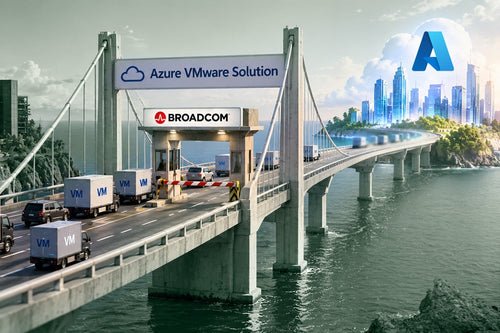

The virtualization landscape is currently undergoing a seismic shift. For years, VMware was the safe bet for data center efficiency. However, recent shifts in ownership, licensing models, and aggressive forced bundling have turned that safe bet into a growing financial liability.
Organizations now find themselves at a crossroads: either absorb a 2x or 3x increase in licensing costs or pivot to a modern cloud architecture. This isn't just about escaping a price hike; it’s about a fundamental shift in Operating Expenses (OPEX). By migrating and modernizing on Azure, organizations are consistently seeing 20–40% reductions in virtualization OPEX.

The Perfect Storm: Why VMware OPEX is Skyrocketing
Understanding the 20–40% savings potential requires looking at why the current baseline is so inflated. Three primary cost leaks currently plague legacy virtualization environments:
1. The Licensing Trap
The transition from perpetual licenses to mandatory subscription models, often paired with forced product bundling, has stripped away the ability to pay only for what you use. Many enterprises are now paying for premium features (such as advanced vSAN or NSX capabilities) they don't actually need, simply because they are part of a required suite.
2. Infrastructure Sprawl and Ghost VMs
On-premises virtualization often suffers from “set it and forget it” syndrome. Without native cloud governance tools, environments become bloated with overprovisioned VMs and "zombie" workloads that consume power, cooling, and maintenance hours without delivering business value.
3. Operational Overhead
Managing legacy hardware involves a massive hidden OPEX: firmware updates, cooling, physical security, and the sheer man-hours required to keep the lights on. This prevents your highly-paid engineers from working on projects that actually drive revenue.

The Azure Advantage: Where the 20–40% Savings Occur
Reducing OPEX isn't about cutting corners; it’s about architectural efficiency. Azure provides a multi-layered approach to cost reduction that legacy data centers simply cannot match.
Azure Hybrid Benefit (AHB)
One of the most immediate quick wins for cost reduction is the Azure Hybrid Benefit. If you already own Windows Server or SQL Server licenses with Software Assurance, you can bring those licenses to Azure. This allows you to run VMs at the base compute rate, often resulting in savings of up to 40% compared to standard cloud pricing or renewed on-premises licensing.
Rightsizing and Auto-Scaling
In a VMware environment, a VM is often sized for its peak load 24/7. In Azure, you can use Azure Advisor to identify underutilized resources and downsize them with a few clicks. Furthermore, with Virtual Machine Scale Sets, your infrastructure scales up and down in response to real-time demand, ensuring you never pay for idle CPU cycles.
Moving Up the Stack: From IaaS to PaaS and AKS
The biggest OPEX gains happen when you stop managing VMs entirely.
- Refactoring to Azure Kubernetes Service (AKS): Containerizing workloads increases density. You can often fit the same number of applications into less space than you could with traditional VMs.
- Azure SQL and App Service: Moving to Platform-as-a-Service (PaaS) eliminates the OPEX associated with OS patching, middleware management, and backups.
Strategic Modernization Paths
Modernization is not a one-size-fits-all journey. Depending on your timeline, especially if you are staring down the upcoming 2027 renewal cycle, you can choose a path that balances speed with long-term savings.
1. Rehost (Lift and Shift)
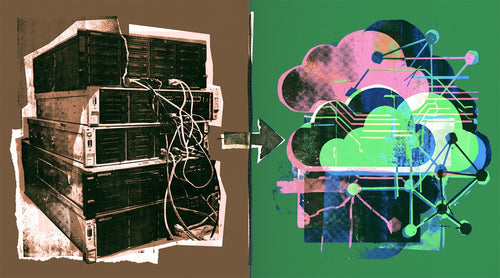
Using tools like Azure Migrate, you move your VMs as-is. This is the fastest way to exit an expensive data center lease or avoid a looming VMware renewal. While this offers immediate relief from hardware costs, the real OPEX savings kick in when you apply Azure’s governance tools to these new cloud workloads.
2. Refactor (Modernize)
This involves moving applications to containers (AKS) or PaaS. While it requires more initial effort, the long-term OPEX reduction is highest here because the "management burden" shifts from your team to Microsoft.
3. Retire and Replace
The most efficient VM is the one that doesn't exist. Azure modernization often reveals redundant legacy applications that can be retired or replaced with SaaS (Software as a Service) offerings such as Microsoft 365 or Dynamics 365, effectively eliminating virtualization overhead.

The FinOps Discipline: Keeping OPEX Low
Savings aren't a one-time event; they require ongoing discipline. This is where FinOps (Cloud Financial Management) comes in. You can maintain that 20–40% reduction indefinitely by leveraging Azure’s built-in ecosystem:
- Reserved Instances (RI): For predictable workloads, committing to a 1-year or 3-year term can slash costs compared to pay-as-you-go pricing.
- Azure Budgets and Alerts: Stop surprises from sneaking up on you by setting automated alerts that notify your team the moment spend exceeds a certain threshold.
- Azure Policy: Prevent problematic IT issues by enforcing rules that limit the types and sizes of VMs that can be created, ensuring everyone stays within the optimized architectural guardrails.
Comparing TCO: VMware vs. Azure
When calculating your Total Cost of Ownership (TCO), it is vital to look beyond the "per-VM" price tag. A true comparison looks like this:
| Cost Factor | Legacy VMware (On-Prem) | Azure Modernization |
|---|---|---|
| Licensing | High (Bundled, Mandatory) | Flexible (AHB, Pay-as-you-go) |
| Hardware | Cycle-based Capex + Maintenance | Zero (Included in OPEX) |
| Security | Bolt-on 3rd party tools | Built-in (Microsoft Defender) |
| Labor | High (Patching, Hardware, UPS) | Low (Automated, Managed Services) |
| Scaling | Slow (Weeks/Months) | Instant (Minutes) |
Don’t Wait; It’s Time to Act
The wait-and-see approach is becoming increasingly expensive. With the industry shifting toward 2027 as a major renewal and support milestone, those who begin their modernization journey now gain a massive competitive advantage.
- Avoid the "Migration Crunch": With 2027 in mind, the demand for migration expertise will spike. Starting now ensures you have the pick of the best partners and resources.
- Immediate Cash Flow: Every month you stay in an unoptimized legacy environment, money leaks out of your budget. Moving to Azure stops the bleed and frees up capital for innovation.
- Future-Readiness: Modernizing on Azure isn't just about saving money; it’s about preparing for AI. An optimized, cloud-native data structure is the prerequisite for leveraging tools like Azure OpenAI and Copilot.
Using OPEX as Your Innovation Engine
Reducing virtualization OPEX by 20–40% is more than a line-item adjustment; it is a strategic liberation of resources. By moving away from the rigid, expensive models of the past and embracing Azure’s flexible, automated, and right-sized ecosystem, your IT department stops being a cost center. It starts being the engine that drives your business forward.
The path to 40% savings starts with a single step: understanding exactly what you have and what it costs you.